

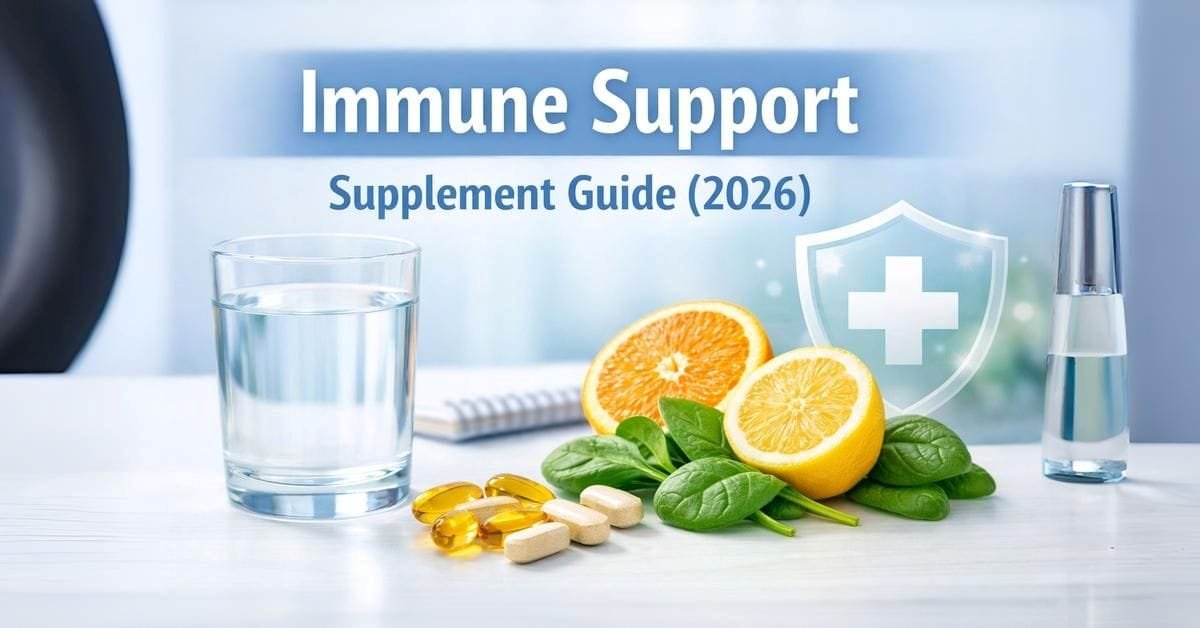
Introduction: Immune Support Supplement
An immune support supplement is often marketed as a simple wellness product. However, when evaluated through a structured risk-management lens, it becomes part of a broader long-term resilience strategy.
From a financial and insurance planning perspective, health disruption is one of the most underestimated risks individuals face. Short-term illness reduces productivity. Long-term immune weakness increases medical costs, recovery time, and income volatility.
Preventive action, when implemented responsibly, lowers exposure to severe outcomes. In that context, supplements for immune system support function similarly to insurance — modest ongoing investment to reduce potential large-scale loss.
This article explains:
- How immune support supplements work biologically
- What evidence supports immune enhancing supplements
- The role of food for immune system boost
- How to evaluate the best immune system supplements
- Risk-based decision-making principles
Immune Health as a Risk Management Variable
Why Immune Strength Matters Financially
Immune resilience is not just a medical concept — it is a stability factor.
A weakened immune system increases:
- Frequency of infection
- Recovery duration
- Healthcare utilization
- Work absenteeism
- Long-term productivity loss
According to the U.S. Centers for Disease Control and Prevention (CDC.gov), preventable infectious diseases account for billions annually in direct medical costs and lost economic productivity.
From a planning standpoint, immune support supplement usage represents a form of preventive risk mitigation — comparable to maintaining emergency savings. It does not eliminate exposure but reduces severity and duration.
How an Immune System Booster Supplement Works
Mechanisms, Not Marketing
A credible immune support supplement booster operates through biological pathways rather than exaggerated claims.
Common mechanisms include:
- Supporting white blood cell development
- Enhancing antioxidant capacity
- Regulating inflammatory responses
- Correcting micronutrient deficiencies
The National Institutes of Health (NIH.gov) confirms that nutrients such as vitamin D, zinc, and vitamin C play measurable roles in immune signaling and cellular defense.
The key distinction is support versus overstimulation.
Responsible immune enhancing supplements aim to maintain normal immune function — not artificially “supercharge” immunity.
Evidence-Based Supplements for Immune System Support
Not all supplements for immune system health are equal.
Substances with consistent research backing include:
Vitamin D
Essential for immune modulation. Deficiency is linked to increased infection susceptibility.
Zinc
Supports immune cell function and may shorten infection duration when taken appropriately.
Vitamin C
Acts as an antioxidant and supports immune cell protection.
Selenium
Contributes to oxidative balance and immune resilience.
The World Health Organization (WHO.int) highlights micronutrient sufficiency as a key public health priority during periods of widespread illness.
These nutrients reduce risk severity — not eliminate exposure.
That is an important conceptual distinction.
Food for Immune System Boost: The First Layer of Defense
Supplements Are Not a Substitute for Nutrition
In risk planning, layered protection is always superior to single-layer defense.
Food for immune system boost should be the foundation.
Examples include:
- Leafy greens (folate, antioxidants)
- Citrus fruits (vitamin C)
- Fatty fish (omega-3s, vitamin D)
- Nuts and seeds (zinc, selenium)
- Fermented foods (gut microbiome support)
According to Dietary Guidelines for Americans (health.gov), dietary patterns rich in micronutrients strengthen overall immune function.
Supplements for immune system support should fill gaps — not replace nutrition.
This mirrors diversified financial planning: foundational assets first, protective tools second.
Best Immune System Supplements: How to Evaluate Quality
Selecting the best immune system supplements requires disciplined evaluation.
Quality Assessment Checklist
- Transparent ingredient labeling
- Clinically relevant dosages
- Third-party purity testing
- No exaggerated disease-prevention claims
- Evidence-based formulation
The U.S. Food and Drug Administration (FDA.gov) regulates supplement labeling but does not approve products before sale. This makes consumer diligence essential.
Avoid products promising:
- Instant immunity
- Guaranteed disease prevention
- Rapid detox claims
Risk-aware selection reduces both financial waste and health uncertainty.
Vitamins for Immune System Health Across Life Stages
Immune needs vary across demographics.
Adults Over 50
Often require higher vitamin D intake due to reduced skin synthesis.
High-Stress Professionals
Chronic stress may increase zinc and vitamin C demand.
Restricted Diet Populations
Vegetarian or restrictive diets may increase micronutrient gaps.
According to NIH Office of Dietary Supplements, deficiency risk changes with age and lifestyle factors.
Personalized supplementation is more effective than trend-based purchasing.
Immune Enhancing Supplements and Inflammation Control
Chronic low-grade inflammation weakens immune responsiveness.
Certain immune enhancing supplements aim to:
- Support antioxidant pathways
- Reduce oxidative stress
- Maintain cellular repair
However, inflammation is complex. Over-supplementation may create imbalance.
Balanced micronutrient support — not megadosing — aligns better with long-term resilience.
Integrating Immune System Boosters Into Long-Term Planning
Immune system boosters should be integrated thoughtfully.
A responsible strategy includes:
- Whole-food nutrition
- Adequate sleep
- Stress management
- Regular medical checkups
- Evidence-based supplementation
Supplements reduce vulnerability but do not replace healthcare.
This layered strategy mirrors diversified insurance coverage.
For broader resilience planning concepts beyond health alone, structured risk management principles are discussed at:
👉 https://www.websarb.com/
Market Availability and Consumer Awareness
When purchasing immune support supplements through digital marketplaces, consumers should verify:
- Seller credibility
- Product certifications
- Clear labeling
Online platforms such as
https://www.arbsbuy.com/
provide access to wellness products, but product diligence remains essential.
Consumer education reduces financial and health risk.
Frequently Asked Questions
What is an immune support supplement?
A product providing nutrients that help maintain normal immune function.
Are immune system booster supplements safe daily?
Most immune support supplement are safe within recommended dosages; excessive intake can create risk.
Do supplements for immune system health prevent illness?
They support function but do not guarantee prevention.
Is food for immune system boost better than supplements?
Yes. Whole foods form the foundation. Supplements fill gaps.
What are the best immune system supplements for adults?
Products containing vitamin D, zinc, and vitamin C with third-party testing are the best immune support supplements.
Can vitamins for immune system health replace medical care?
No. They support function but do not replace diagnosis or treatment.
How often should supplementation be reassessed?
Periodically, especially after bloodwork or lifestyle changes.
Conclusion: Immune Support Supplement
An immune support supplement should be approached with discipline — not hype. When integrated responsibly with proper nutrition, lifestyle balance, and medical guidance, immune enhancing supplements can reduce illness severity, shorten recovery time, and support long-term resilience.
The objective is not invincibility. It is measured risk reduction. In both health and financial planning, sustainable protection comes from layered strategy — not shortcuts.
